Discover Scuba Diving (DSD) is the standard term used for first-time scuba diving without certification. This section explains how DSD is defined in Jeju, why it is operated conservatively, and what should not be expected.
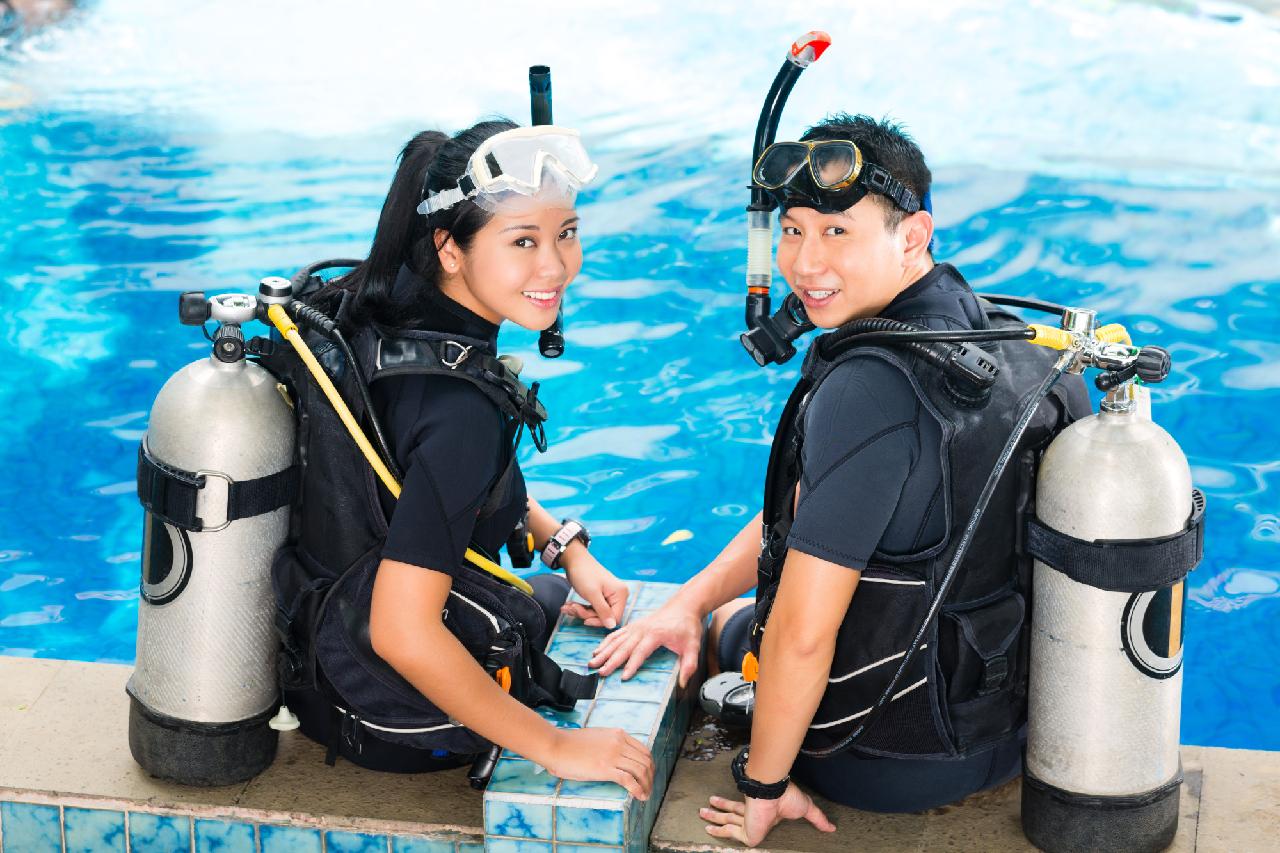
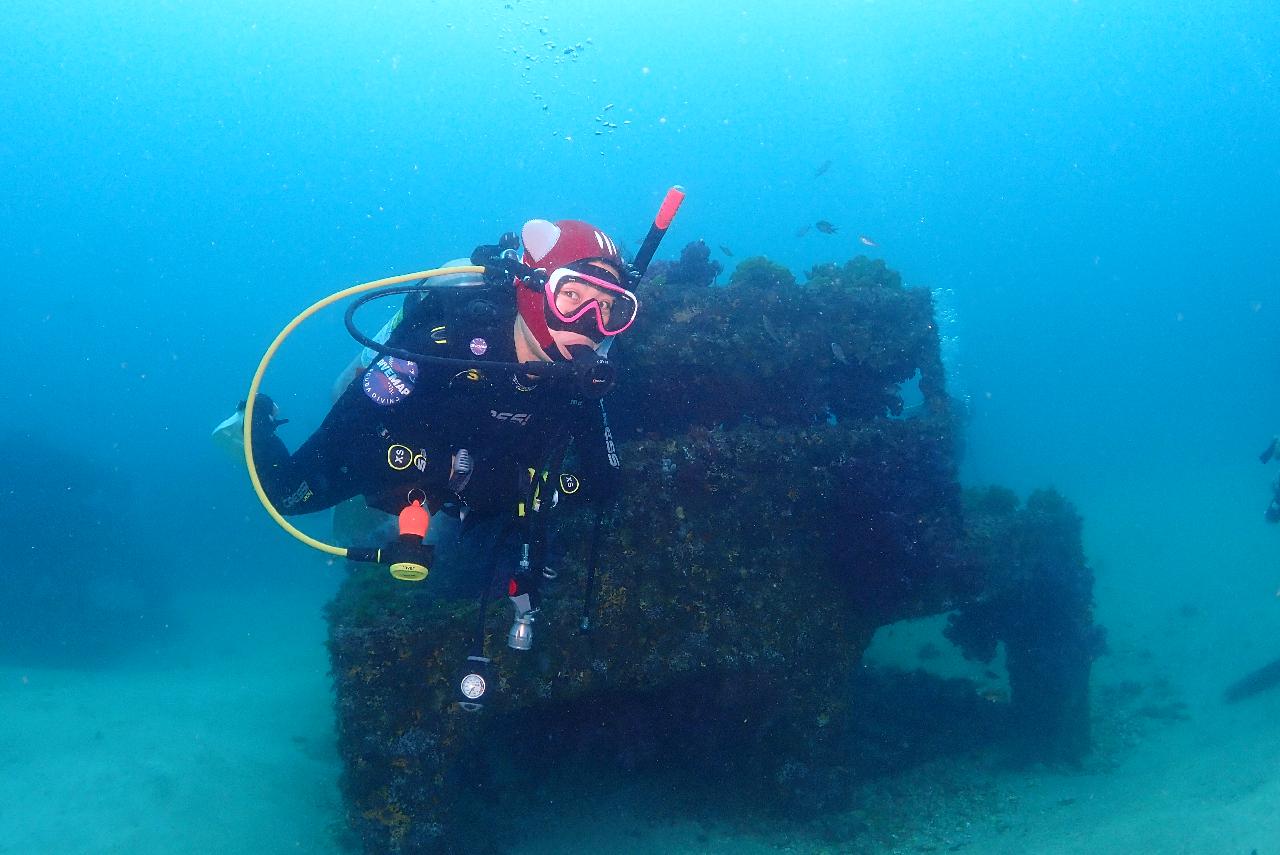
First, it is important to clarify the terminology. Fun diving refers to dives conducted by certified scuba divers who hold a valid license and are able to dive independently. DSD is designed for people without a scuba diving certification, who are experiencing scuba diving for the first time or are not yet able to dive independently. The most decisive factor separating Fun Diving and DSD is whether the diver holds a certification license. For this reason, when making a diving inquiry, the following questions are usually asked first: • Do you have a scuba diving certification? • Have you participated in Discover Scuba Diving (DSD) before? • (If necessary) Do you have any ENT-related conditions, such as nasal congestion or ear issues?
Many DSD participants follow instructions well and remain calm, but this cannot be assumed in advance. Because of this uncertainty, Discover Scuba Diving is always operated under the most conservative standards. As explained in sections [5] and [6], a diver’s experience and response to conditions directly affect available dive options. Among all diver categories, DSD participants have the narrowest range of options, which results in stronger limitations on dive sites, depth, and dive time. This is not a judgment of personal ability. It is a structural characteristic of the Discover Scuba Diving stage itself.
The most common reasons a Discover Scuba Diving experience is interrupted or cannot continue are: • fear of water • equalizing difficulties 📍 [Supplementary: What Is Equalizing?] 📍 Equalizing difficulties generally fall into two categories: • unfamiliarity with the equalizing technique • physical or anatomical factors These factors often interact, making it difficult to continue the dive. Because forcing equalization can lead to ear injury, it requires special caution. In a 1:N Discover Scuba Diving format, a problem experienced by one participant affects the entire group. For this reason, 1:1 Discover Scuba Diving is considered the safest and most stable approach.
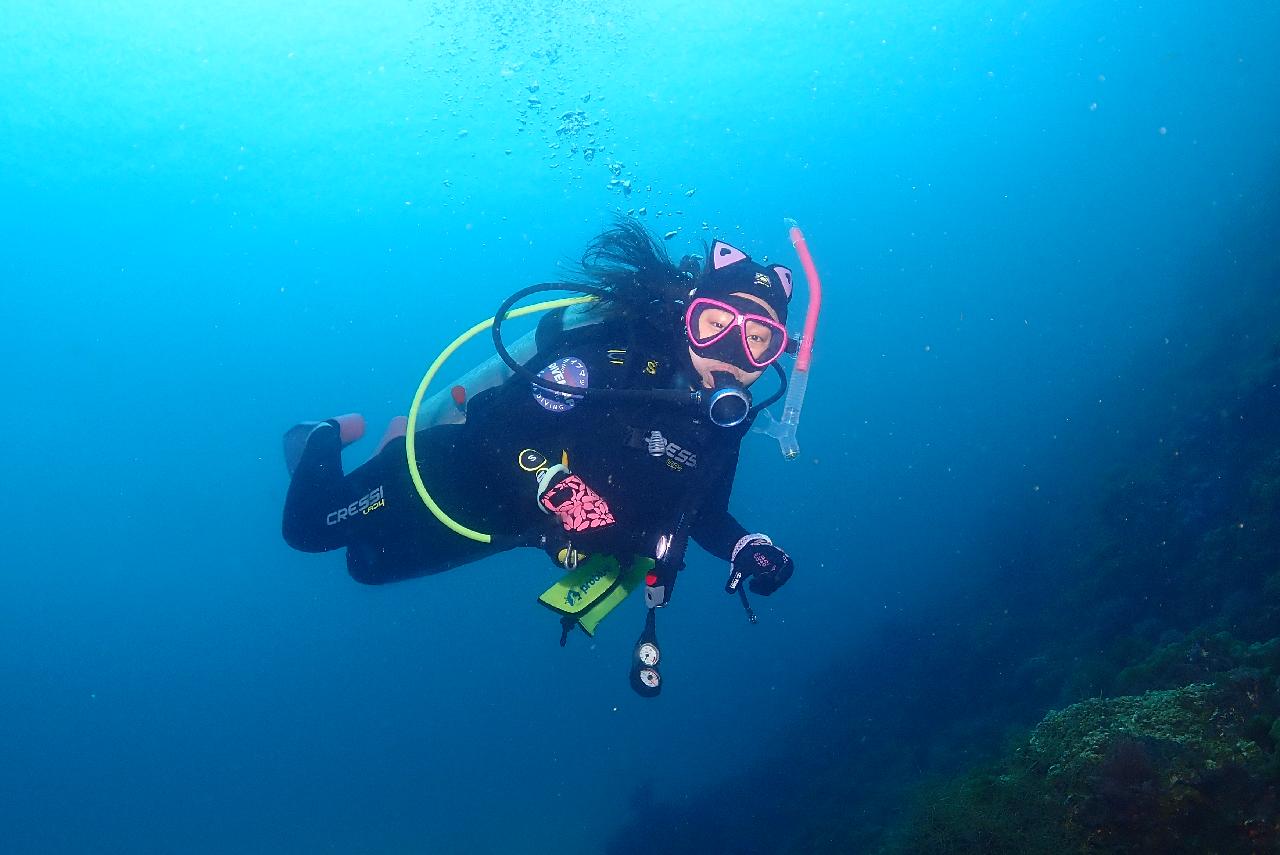
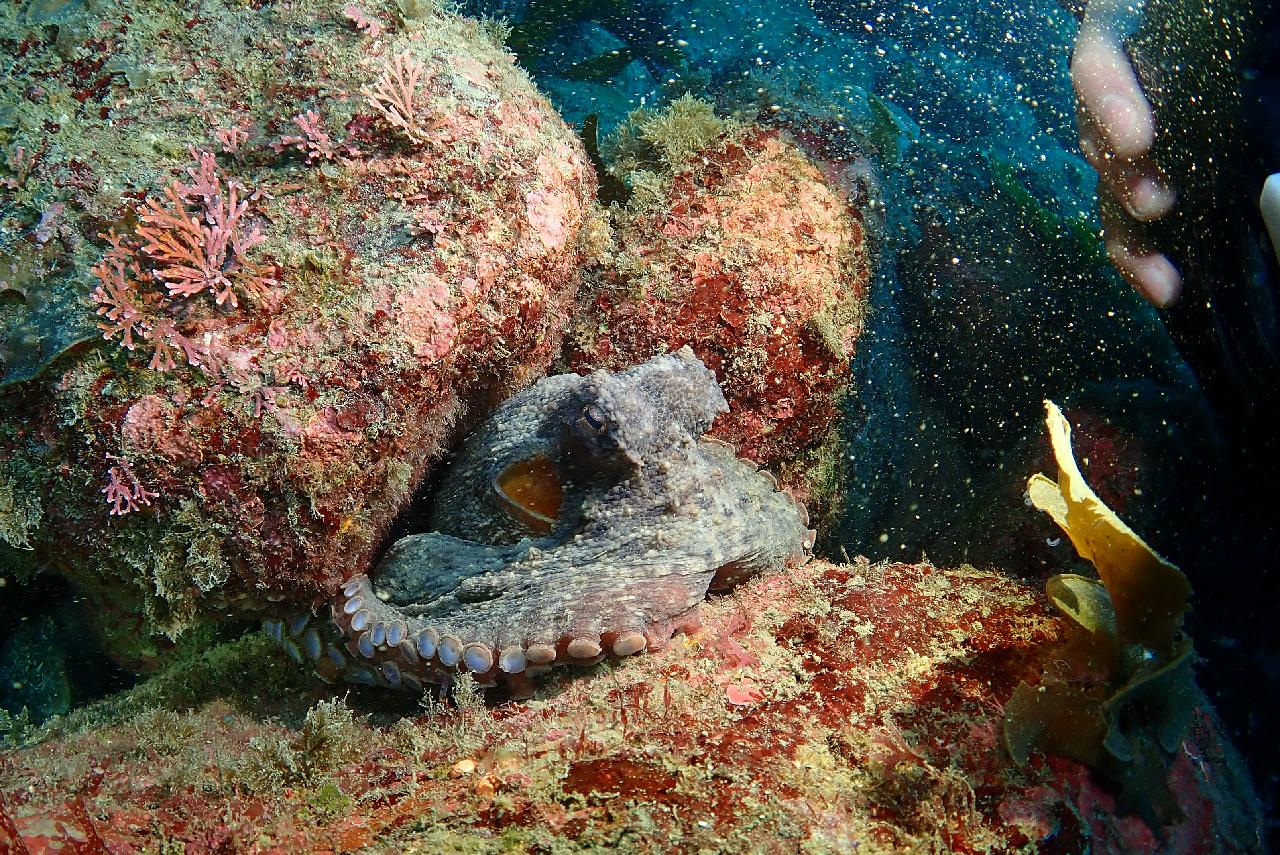
During Discover Scuba Diving, guides often need to focus entirely on one participant’s safety and condition. Because of this, the following cannot always be guaranteed: extensive photo or video shooting observing specific marine life or underwater features long bottom time or relaxed movement In addition, DSD participants have limited awareness and task capacity compared to certified divers, making it difficult to observe many things at once. Rather than trying to experience everything in a single dive, it is more appropriate to focus on the unique experience of breathing underwater for the first time.
1️⃣ Welcome to Scuba Diving in Jeju ${[%post|70981%]} 2️⃣ What Jeju Scuba Diving is Really Like ${[%post|70982%]} 3️⃣ What to Expect When Scuba Diving in Jeju ${[%post|70983%]} 4️⃣ First-Time Scuba Diving in Jeju ${[%post|70984%]} 5️⃣ Experienced Scuba Divers in Jeju ${[%post|70985%]} 6️⃣ Is Jeju Scuba Diving Suitable for Beginners? ${[%post|70986%]} 7️⃣ I’ve never been Scuba Diving before ${[%post|70987%]} 8️⃣ Group Diving ${[%post|70988%]}
${[%embed|post|70037%]}